
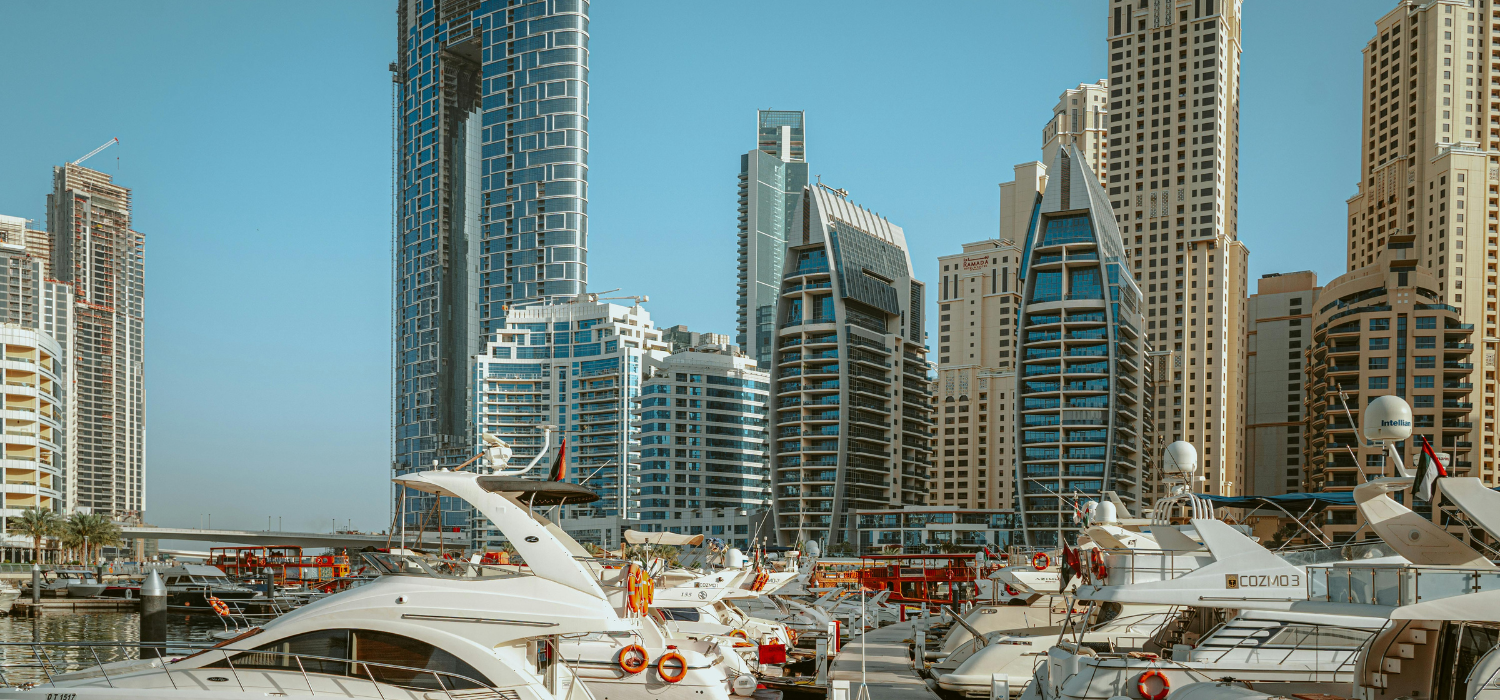
34-month oversupply triggers ‘silent fire sales’ across the market.
Manila: If you’re planning to buy a condo unit in Manila, you could secure discounts of up to 25 per cent—especially if you’re paying cash and negotiate well.
Developers are more inclined to reduce prices due to rising surplus in the housing market. Even if you opt for a bank mortgage, consider asking for extended downpayment terms or other discounts that could save you thousands of dollars.
Oversupply Fueling Discounts:
Recent data from Leechiu Property Consultants (LPC) shows that Manila’s condo oversupply has reached 34 months as of November, a jump from 29 months in the previous quarter.
Although 4,000 new units were added and sold during the quarter, 6,000 buyers canceled their purchases, leading to a surge in unsold inventory. Analysts describe it as a “silent fire sale,” where significant discounts are offered discreetly to preferred clients, repeat buyers, and bulk purchasers.
Lovelle Taleon, Director at Santos Knight Frank, explains that developers refrain from heavily advertising these substantial price cuts to avoid “market instability.”
In LPC’s October report, 67,600 condo units remained unsold across 510 buildings—an all-time high since the pandemic. By November, Insiderph reported that Manila’s glut reached Php154 billion (around $2.6 billion) in unsold units.
A buyer’s market?
According to Jovi Tupaz, a consultant licensed by the Philippine Professional Regulation Commission (PRC), the present glut traces back to a previous boom. Developers constructed massive volumes of units in Metro Manila (comprising the National Capital Region and the City of Manila) based on sustained demand expectations.
Over the past decade, off-plan prices for a standard 1-bedroom unit (22 to 30 sqm) more than doubled, climbing from about Php2.4-3 million to around Php6 million.
Factors like the pandemic, the closure of offshore gaming operators (POGOs), and rising interest rates, coupled with what some see as suboptimal planning by certain developers, have contributed to surplus units.
“For end-users, it’s a good time if you’re looking for a personal residence,” Tupaz says. “If you find a good deal and it suits your purpose, buy and hold for at least three years and see where the market goes.”
Who’s offering the biggest bargains?
Tupaz notes that large developers may be less aggressive with direct price cuts, relying instead on extended payment terms to encourage sales. Nonetheless, some of the biggest real estate names have started trimming new project launches. DMCI Homes, for example, will not roll out new developments in the first half of 2025 to focus on selling existing inventory.
High Interest Rates Remain A Factor:
Lingering high interest rates also complicate matters. Even though the Monetary Board cut rates by 50 basis points in the latter half of 2024, the benchmark rate—previously raised to 6.5 per cent—now stands at 6 per cent (as of October 2024). But many cautious buyers remain on the fence.
Developers remain hopeful that ongoing rate reductions will boost activity in the mid-market and affordable segments. With the Philippine peso currently weaker ($1 = Php58.40 as of the latest official rate), overseas Filipino workers (OFWs) could step in to buy homes for personal use or as an investment, betting on a future market rebound.
For foreigners, Philippine law allows 100 per cent condo ownership, offering an additional avenue for addressing the surplus.
The bottom line? Deep discounts are on the table in Manila’s condo market, but it’s a time-sensitive opportunity. For anyone ready to invest, now may be the moment to make a move.


