
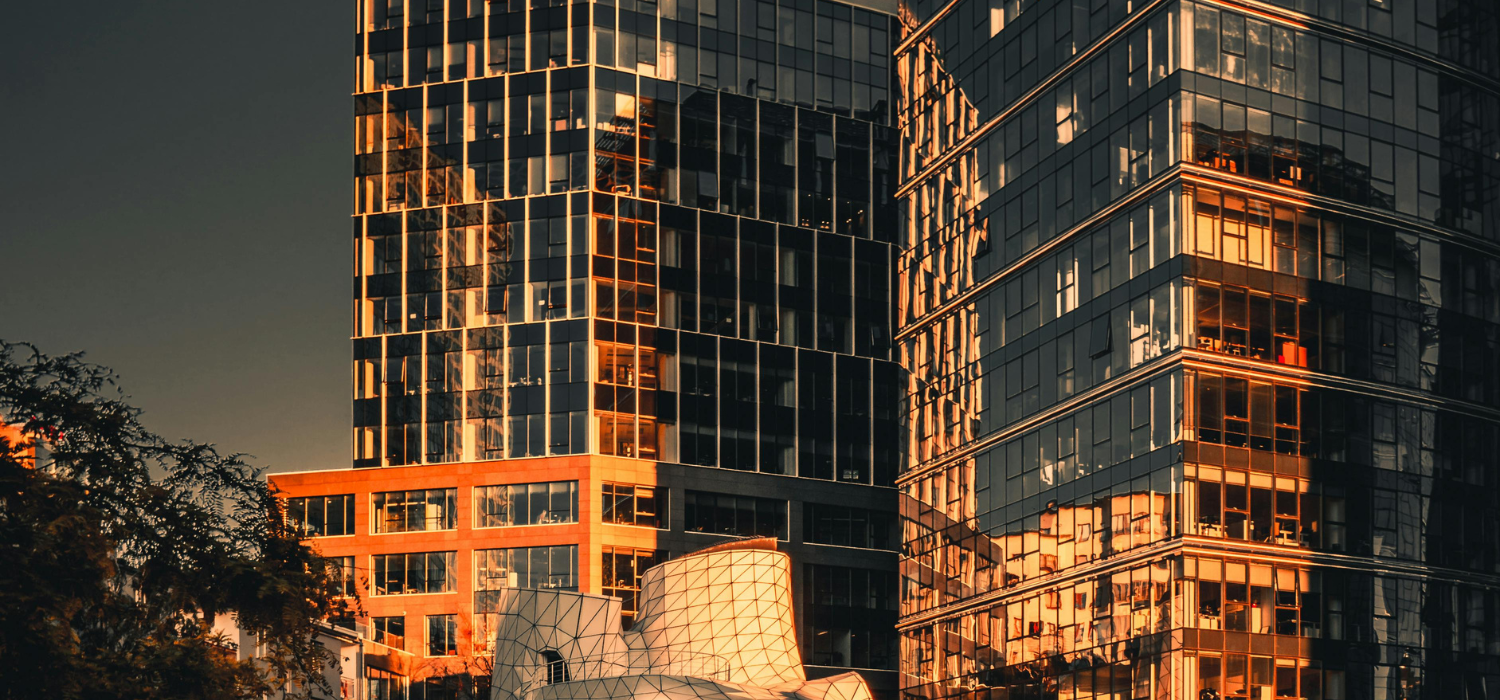
From adding new ideas everywhere to making workplaces sustainable for the future, here are the top office design trends for 2025.
The modern workplace is changing a lot, mixing new ideas, sustainability, and designs that focus on people to meet the needs of a busy workforce. In 2025, offices are becoming more than just places to work. They are turning into lively environments that encourage teamwork, flexibility, and well-being. With things like AI technology and designs that include nature, the future of office design will change how we work, connect, and succeed. Workplaces will boost productivity, creativity, and purpose. Here are the top design trends shaping the next generation of workplaces.
Flexible Working as an Established Practice:
Flexible working arrangements are here to stay. Smart businesses will keep supporting their employees to work in different ways and find the best workplace solutions for a growing hybrid workforce.
To keep and attract talent in 2025, offices need to be more flexible in their design. Flexible and adaptable co-working spaces are more important than ever. This means creating spaces that can easily change so employees can adjust their work areas as needed.
But it’s not just about having places to work alone or make calls. Workers also need comfortable areas to connect and collaborate, as well as quiet places to focus on individual tasks.
In 2025, it’s important for employees to have more control over how they work, recognizing that one size does not fit all. The best offices will offer a mix of open areas for working and socializing, along with small meeting rooms, cozy meeting spaces, and private booths for calls and focused work.
AI to Play a Leading Role:
AI can improve workplace experiences and future office design trends. Imagine walking into an office where your chair and desk automatically adjust to your height, posture, and work habits. AI-powered furniture can make this happen by providing personalized ergonomic support, ensuring comfort and productivity all day long.
AI-enabled lighting systems can also adjust to tasks and individual preferences, changing brightness, color, and direction automatically. These systems will not only help with focus but also match natural body rhythms, improving employee well-being.
For remote workers, AI-powered virtual and augmented reality (VR/AR) solutions will change how teams collaborate. Virtual office environments will let teams interact as if they were together in person, connecting physical and digital workplaces.
AI assistants could manage meeting schedules, visitor check-ins, conference room bookings, catering orders, and other tasks to make the office run smoothly. HVAC systems using AI can customize ventilation, temperature, humidity, and air quality in real-time based on individual comfort needs. AI sensors can track how many people are in a space, direct foot traffic, allow touchless access, and provide data to improve space usage.
As these technologies grow, research will show their benefits, like increased productivity and energy savings. The workplace of 2025 will focus not just on looks or functionality but on creating adaptable, people-focused environments where innovation thrives.
Fostering Communities with Workplace Design:
Research by Herman Miller shows that people are 1.5 times more likely to be engaged at work if they have spaces to connect with coworkers. Game rooms, fitness centers, nearby walking trails, and outdoor seating provide chances for social interactions.
Whiteboards, flexible furniture, and space for personal items help people feel ownership of their workspace. Natural wood, warm lighting, textures, and cozy seating create welcoming areas. Including options that appeal to both younger and older workers will help build connections. Research suggests that having different generations in workspaces helps workers come together and brings a wider range of ideas and problem-solving methods. Shared tools like A/V equipment, video conferencing, and creative technology bring people together.
Small touches that encourage connections, engagement, and a welcoming atmosphere for all ages and groups build strong relationships between colleagues over time. These will likely be included in thoughtful office designs in 2025.
Nature to Nurture with Biophilic Design:
Connecting with nature has become very important in office design. Research shows that biophilic designs can benefit employees by reducing stress by up to 40%, improving thinking skills by up to 35%, increasing creativity by up to 25%, and boosting mood while reducing feelings of depression and anxiety.
Plants are one of the most popular ways to bring nature into the workplace. Plants absorb toxins and produce more oxygen, making it easier for employees to breathe. Additionally, people in workplaces with natural elements like greenery and sunlight are known to be 6% more productive and 15% more creative. So, including plant walls and lighting that follows natural body rhythms can improve employee well-being and their connection with nature.
Natural light is another key part of biophilic design. It has been shown to improve mood, thinking skills, and productivity. Water features can add a sense of calm and relaxation to the workplace. They can also help reduce noise and improve air quality.
Creating chances for employees to connect with nature both indoors and outdoors has many benefits. For example, indoor gardens, rooftop terraces, and outdoor seating areas can give employees places to relax, take breaks, and enjoy nature.
Besides these specific elements, there are other ways to include connections to nature in workplace design. Using shapes and patterns inspired by nature, natural colors and textures, and natural ventilation can all help create a healthier, harmonious, and inviting environment.
As the world becomes more urban, people spend more time indoors. Therefore, creating workplaces that connect employees with nature is more important than ever. By adding nature elements to office design, businesses can create healthier, happier, and more productive workplaces.
Conclusion:
Looking ahead to 2025, workplace design will focus on flexibility, a sense of belonging, and smart optimization. Spaces will support hybrid work with hot-desking, focus rooms, and advanced remote collaboration technology, allowing both onsite and remote employees to interact smoothly.
Building community will also be important, with open layouts, recreation areas, and inclusive design details bringing people together. AI and automation will help offices respond in real-time, using data-driven workflows and predictive analytics to guide design, and adaptable furniture to customize environments.
With people and technology driving change, purposeful workplaces in 2025 will not just accommodate—they will empower. The office will serve as a center for productivity, innovation, and meaningful human connections.


