
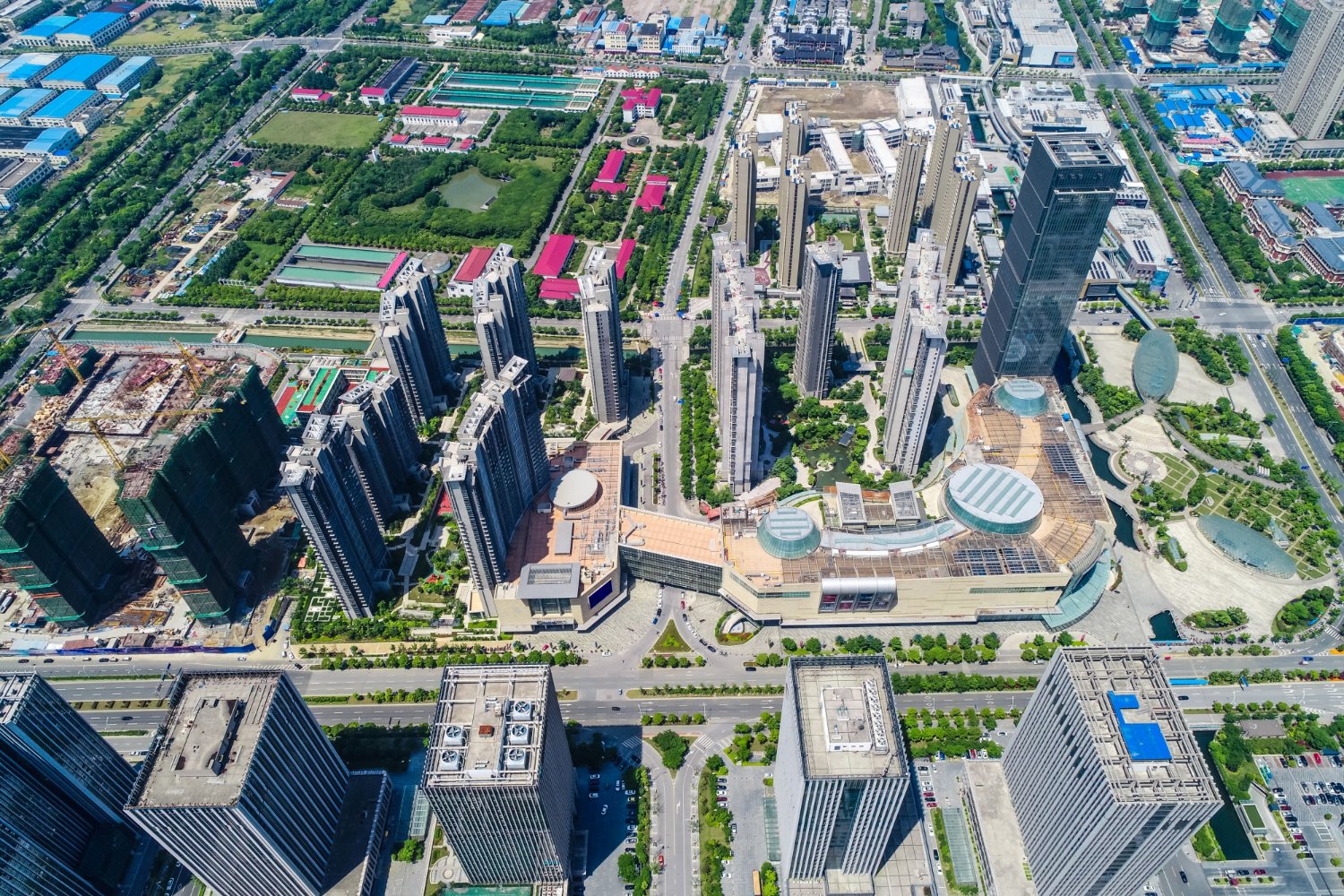
Dubai has a booming real estate market that attracts both local and foreign buyers. While many neighborhoods allow foreign investors to own property (known as “freehold” areas), there are also non-freehold areas reserved mainly for Emirati citizens and GCC (Gulf Cooperation Council) nationals. These zones are important in keeping local culture alive, offering exclusive housing options, and maintaining balance in the property market. Below is a clear overview of these non-freehold areas, why they matter, and which ones are most popular among locals.
What Are Non-Freehold Areas in Dubai?
Non-freehold areas in Dubai are specific zones where only UAE nationals and GCC citizens can buy and own properties. Foreigners, including expatriates and international investors, are not allowed to purchase real estate in these areas. These zones are established to maintain cultural heritage, support local communities, and provide nationals with affordable and exclusive housing options.
Non-freehold property meaning: It refers to real estate that is not available for freehold ownership by foreigners. Instead, property rights are generally restricted to Emiratis and GCC nationals.
Why Non-Freehold Areas Matter?
- Preserving Heritage and Culture: These areas maintain the cultural identity of the UAE by ensuring locals have dedicated spaces to live and thrive.
- Exclusive Investment Opportunities: Emiratis and GCC nationals benefit from exclusive property ownership rights in these neighborhoods.
- Long-Term Stability: Since these areas are reserved for locals, they are less likely to experience extreme market fluctuations caused by international investment trends.
Popular Non-Freehold Areas In Dubai For Emiratis And GCC Nationals:
(List of non freehold areas in Dubai for emirati and gcc investors)
Some of Dubai’s non-freehold areas have freehold sub-communities. It’s essential to research specific developments before making an investment. If you’re wondering, Which areas in Dubai are leasehold?, you can often find a List of leasehold areas in Dubai or refer to a Leasehold areas in Dubai map for a detailed overview. Meanwhile, here are some of the most well-known non-freehold areas:
Jumeirah:
Jumeirah is a prestigious coastal neighborhood offering a luxurious lifestyle with access to the beach, top-rated schools, and world-class amenities. The area is popular among Emiratis due to its exclusivity and family-friendly environment.
Al Barsha:
Al Barsha is another sought-after non-freehold area, known for its family-friendly atmosphere. The neighborhood offers a mix of villas and apartments, with easy access to schools, shopping malls, and healthcare facilities. It’s a prime location for Emiratis looking for a balanced lifestyle.
Mirdif:
Mirdif is a spacious, pet-friendly community featuring a variety of villas with modern amenities. It is a favorite choice for families due to its peaceful surroundings, parks, and community centers.
Al Karama:
Al Karama is a central neighborhood in Dubai with a mix of residential and commercial spaces. It is one of the most vibrant areas, offering affordable housing options for locals.
Al Twar:
Al Twar is a well-established area with a mix of traditional and modern villas. It is known for its quiet surroundings, schools, and parks, making it a great choice for families.
Complete List of Non-Freehold Areas in Dubai:
Below is the List of non-freehold areas in Dubai for Emirati and GCC investors only. For a List of freehold areas in Dubai, you can consult official documents or see a Dubai freehold areas map:
- Abu Hail
- Al Awir
- Al Badaa
- Al Baraha
- Al Buteen
- Al Daghaya
- Al Ehibab
- Al Garhoud
- Al Hamriya
- Al Hudaiba
- Al Jaddaf
- Al Jafiliya
- Al Karama
- Al Khawaneej
- Al Kheeran
- Al Mamzar
- Al Mankhool
- Al Muteena
- Al Muhaisnah
- Al Muraqqabat
- Al Murar
- Al Nahda
- Al Qouz
- Al Qusais
- Al Rashidiya
- Al Rigga
- Al Sabkha
- Al Safa
- Al Sufouh
- Al Twar
- Al Wasl
- Al Waheda
- Al Muntazah Complex – Jebel Ali
- Ayal Nasir
- Dar Al Wasl
- Dubai Creek Club
- Emirates Golf Club
- Hor Al Anz
- Madinat Dubai Al Melaheyah
- Nad Al Hamar
- Nad Al Sheba
- Nad Shamma
- Naif
- Oud Al Muteena
- Oud Metha
- Port Saeed
- Ras Al Khor (Samari Project)
- Rigga Al Buteen
- Satwa
- The Galleria
- Trade Center 1
- Trade Center 2
- Umm Al Sheif
- Umm Hurair
- Warsan 2
Frequently Asked Questions:
1. Are all properties in Dubai freehold?
No, Dubai has both freehold and non-freehold areas. Freehold areas are open to foreign investors, while non-freehold areas are restricted to Emiratis and GCC nationals.
2. Can foreigners buy property in non-freehold areas?
No, only Emiratis and GCC nationals can purchase properties in non-freehold areas. Foreigners can invest in designated freehold zones.
3. Can GCC nationals buy property in non-freehold areas?
Yes, GCC nationals (from Saudi Arabia, Kuwait, Bahrain, Qatar, and Oman) can buy and own property in Dubai’s non-freehold areas.
4. Are there any exceptions for expatriates?
In some cases, long-term leases (such as 99-year leases) may be available to expatriates in specific developments. However, outright ownership is not permitted.
5. Which areas are best for Emiratis looking for family-friendly housing?
Mirdif, Al Barsha, Al Twar, and Jumeirah are among the top choices for family-friendly living in Dubai.
Where can foreigners buy property in Dubai?
Foreigners can buy property in freehold areas such as Downtown Dubai, Dubai Marina, Palm Jumeirah, and Jumeirah Lakes Towers (JLT).
Conclusion:
Dubai offers a mix of freehold and non-freehold properties, ensuring that both foreign investors and locals have access to the real estate market. Non-freehold areas provide Emiratis and GCC nationals with exclusive living options while preserving the country’s culture and heritage. Understanding these zones can help investors make informed decisions about where to buy property in Dubai.
If you are a UAE or GCC national looking for property in Dubai, exploring non-freehold areas could be a great investment opportunity. For those who are not eligible, Dubai’s freehold market still offers plenty of attractive options.


