
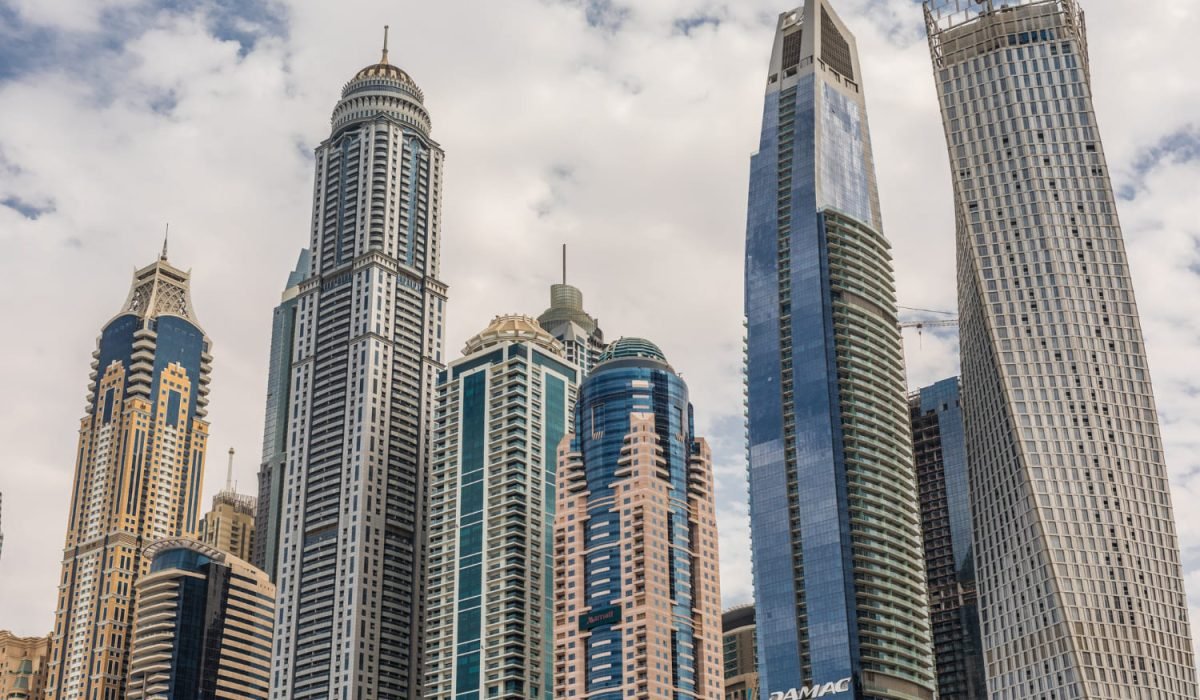
Investors today are paying close attention to how the real estate landscape is changing. Many are comparing short-term and long-term strategies to choose the model that fits their goals. Rising yields, steady demand, and improved regulations have made Property Investment in Dubai an appealing topic for both beginners and experienced buyers. The city continues to attract global investors because it offers a mix of strong rental performance, flexible ownership rules, and reliable returns.
The Dubai Property Market has grown more mature in recent years. It now supports different investment styles, which allows people to build portfolios that suit their preferred timelines. Some investors want faster gains, while others focus on stable income over many years. Both groups are finding opportunities as new communities grow and established areas continue to perform well.
Global investors trust Dubai Properties because official sources such as the Dubai Land Department ensure transparent transactions and regulatory compliance.
International buyers also appreciate how Dubai Properties cater to different lifestyles. High-rise apartments attract short-stay tenants, while suburban villas appeal to long-term families. Tourism, business travel, and population growth keep the market active throughout the year. These factors help investors make clearer decisions about whether a short-term or long-term approach will deliver the returns they expect.
In Property Investment in Dubai, choosing between short-term and long-term planning is one of the biggest decisions investors face. Each path offers different benefits, risks, and income patterns. Understanding these differences helps you set realistic goals.
Short-term investment focuses on quicker gains. People often choose this model when they want flexible income or want to react to market changes fast.
Key features include:
Returns can rise during major events or peak travel seasons. Investors who enjoy active management often choose this route.
Long-term investment is ideal for steady and predictable returns. It works well for people who prefer consistent income without constant adjustments.
Key features include:
This model suits investors who focus on building long-range financial security.
Factor | Short-Term Strategy | Long-Term Strategy |
|---|---|---|
| Income Speed | Faster | Slow but steady |
| Risk Level | Higher | Lower |
| Tenant Type | Tourists & short visitors | Families & long-stay residents |
| Management | High involvement | Low involvement |
| Returns | Seasonal boosts | Consistent yearly income |
Short-term investment has become one of the most active and fast-moving strategies in Dubai. Investors are drawn to it because it offers flexible income and strong earning potential during busy seasons. It works especially well in areas filled with modern Dubai Properties, tourist traffic, and business travelers.
Short-term rentals can perform extremely well when managed correctly. Many investors choose this model because it aligns with global travel trends and the city’s constant flow of new visitors. It also appeals to foreign buyers who want quick returns without long commitments.
Short-term income usually comes from holiday homes, serviced apartments, and furnished units. These properties attract guests during peak seasons like winter, New Year, or major global events.
Here’s how owners earn:
This model is attractive for international buyers because they can earn even without living in Dubai full-time. They also get the benefit of using the property when visiting.
Pros:
Cons:
Short-term rental areas often fall under the Best Property Investment in Dubai category when focusing on fast ROI. But they require active involvement and careful planning to avoid profit drops.
Long-term investment remains a trusted and stable strategy in Dubai. Many buyers choose it because it offers predictable income, steady demand, and less daily management. This approach works well for investors who value consistency and want to focus on secure Real Estate Investment in Dubai that grows over time. Communities with schools, parks, and family facilities often perform especially well in this category. These areas attract reliable tenants who stay for years, which keeps the property occupied and reduces turnover costs.
Long-term leasing also benefits from the UAE’s growing population. The number of expats rises each year, and many look for comfortable, well-managed homes. This ongoing demand supports rental stability and ensures that investors continue to receive regular income. Many investors prefer long-term models because they align with the broader goals of sustainable Investment in UAE markets.
Expats often stay in Dubai for work and family life, so they prefer long leases.
Here’s why long-term rentals appeal to them:
These factors make tenants more likely to renew their leases, helping investors maintain consistent earnings.
Long-term investors also benefit from capital appreciation. As new roads, malls, parks, and transport links are built, property values increase.
Key drivers of long-term growth include:
Communities under development often offer strong appreciation, which boosts long-term ROI.
Understanding market trends is crucial for any investor considering Invest in Dubai Real Estate. Dubai’s property sector continues to evolve, offering opportunities for both short-term and long-term strategies. Tracking supply, demand, and rental yields helps investors make informed decisions.
Dubai remains one of the strongest property markets globally. Apartments yield around 7.3% while villas provide 5%, higher than many international cities. Analysts predict moderate price adjustments of 10–15% in some areas as the market absorbs new supply.
Over 210,000 units are expected to enter the market. While this may temporarily affect rents, it strengthens the market in the long term. Emerging communities often offer attractive entry prices and potential appreciation, appealing to both short-term flippers and long-term holders.
Short-term rentals are tied to tourism cycles, with peak occupancy from November to March. Understanding seasonality allows landlords to optimize returns. Long-term rentals benefit from stable expat demand regardless of seasonal fluctuations.
Keeping an eye on these factors in the Dubai Property Market ensures investors choose the right strategy and location.
Choosing the right location is vital for maximizing returns, whether you focus on short-term or long-term strategies. Dubai offers distinct areas for each investment type, balancing rental demand, lifestyle appeal, and growth potential.
Short-term rentals thrive in vibrant neighborhoods with tourism and business activity.
Key areas include:
These locations offer gross yields of 7–11%, but require active management, furnishing, and licensing. High tourist interest ensures occupancy peaks during November–March, providing strong seasonal income.
Long-term rentals perform best in residential communities with family-friendly amenities.
Notable areas include:
These neighborhoods attract steady tenants seeking annual leases. Long-term rental yields average 5–8%, providing stability and lower turnover. Investors benefit from predictable cash flow and gradual property appreciation, making them ideal for patient, passive income strategies.
Understanding costs helps investors plan effectively. Short-term and long-term strategies have different expense structures, which affect net returns. Below is a clear comparison:
Cost Component | Short-Term Investment (Holiday Rentals / Flipping) | Long-Term Investment (Annual Leasing / Holding) |
|---|---|---|
| Property Price | Often slightly higher for prime locations; quick turnover potential | Can be lower in developing areas; focus on long-term appreciation |
| Furnishing & Setup | High fully furnished units are needed for holiday rentals | Moderate basic furnishing or unfurnished for tenants |
| Licensing & Fees | DTCM licensing required for holiday homes; permits and registration costs apply | Minimal standard property registration and annual service fees |
| Property Management | Active management needed; cleaning, bookings, marketing | Passive management; only maintenance and minor tenant support |
| Mortgage & Financing | Banks may require higher down payments; faster returns justify risk | Easier to finance; banks prefer long-term stable renta |
| Service Charges / Utilities | Higher due to short-term turnover and premium amenities | Lower, predictable; shared among stable tenants |
| Expected Net Yield | 6–9% after costs, seasonal fluctuations possible | 5–8%, stable year-round |
| Risk Level | Higher volatility; market timing and occupancy matter | Lower risk; steady cash flow and gradual appreciation |
Understanding the main features of short-term and long-term strategies helps investors make informed decisions. Here are the key facts:
This breakdown helps investors evaluate which approach aligns with their financial goals, risk appetite, and preferred level of involvement.
Investing in Dubai requires careful planning and market knowledge. Our team at ERE Homes shares practical tips for both short-term and long-term strategies.
Understand whether you want quick returns or long-term growth. Align property type, location, and investment horizon accordingly.
Check infrastructure, amenities, and future development plans. Areas with strong schools, transport, and retail attract stable tenants and higher yields.
Verify developer credentials, project status, and legal compliance. Use official platforms like RERA and DLD to protect your investment.
Compare net and gross returns, including service charges, licensing, and management fees. Avoid decisions based purely on advertised yields.
Stay updated on new supply, rental demand, and tourism trends. Understanding fluctuations helps in timing short-term flips or long-term acquisitions.
With careful planning and guidance, investors can maximize returns while reducing risks.
Ready to explore the best Property Investment in Dubai opportunities? Take the next step with confidence.
At ERE Homes, our experts guide you through short-term and long-term strategies, helping you make informed decisions. Whether you want fast returns or steady growth, we provide personalized insights and community recommendations.
Don’t wait to secure the property that aligns with your goals. Confirm your booking today and get a free consultation with our team. Start your journey toward smart real estate investments in Dubai.
Both short-term and long-term approaches offer unique advantages in Property Investment in Dubai. Short-term strategies provide faster returns through holiday rentals or off-plan flipping. They suit active investors who can manage occupancy, licensing, and seasonal demand. Long-term investments focus on stability, steady rental income, and gradual capital appreciation. These are ideal for buyers seeking passive income and lower market volatility.
Understanding your goals, budget, and preferred level of involvement is key to choosing the right model. Dubai’s strong Dubai Property Market, high rental yields, and absence of property taxes create opportunities for both strategies. With careful research, community selection, and professional guidance, investors can maximize returns and minimize risks.
Start your journey wisely, evaluate options, and plan ahead. Share your experiences or questions in the comments to help others navigate the Dubai real estate landscape confidently.
Author & Credentials:
This guide is authored by Saad Shakeel, Senior Real Estate Content Specialist at ERE Homes, with 12 years of experience in UAE property markets, specializing in investment strategies, market analysis, and property trends.
Publication & Updates:
Credible Data & Sources:
All statistics and trends are backed by reliable sources:
Team Credentials:
Our team includes certified real estate specialists, market analysts, and legal advisors with years of experience assisting buyers across Dubai, Abu Dhabi, and other UAE communities.
in Dubai’s Luxury Property Market
Across Prime Communities
Across Dubai Communities
Built on Trust and Results
WhatsApp us