
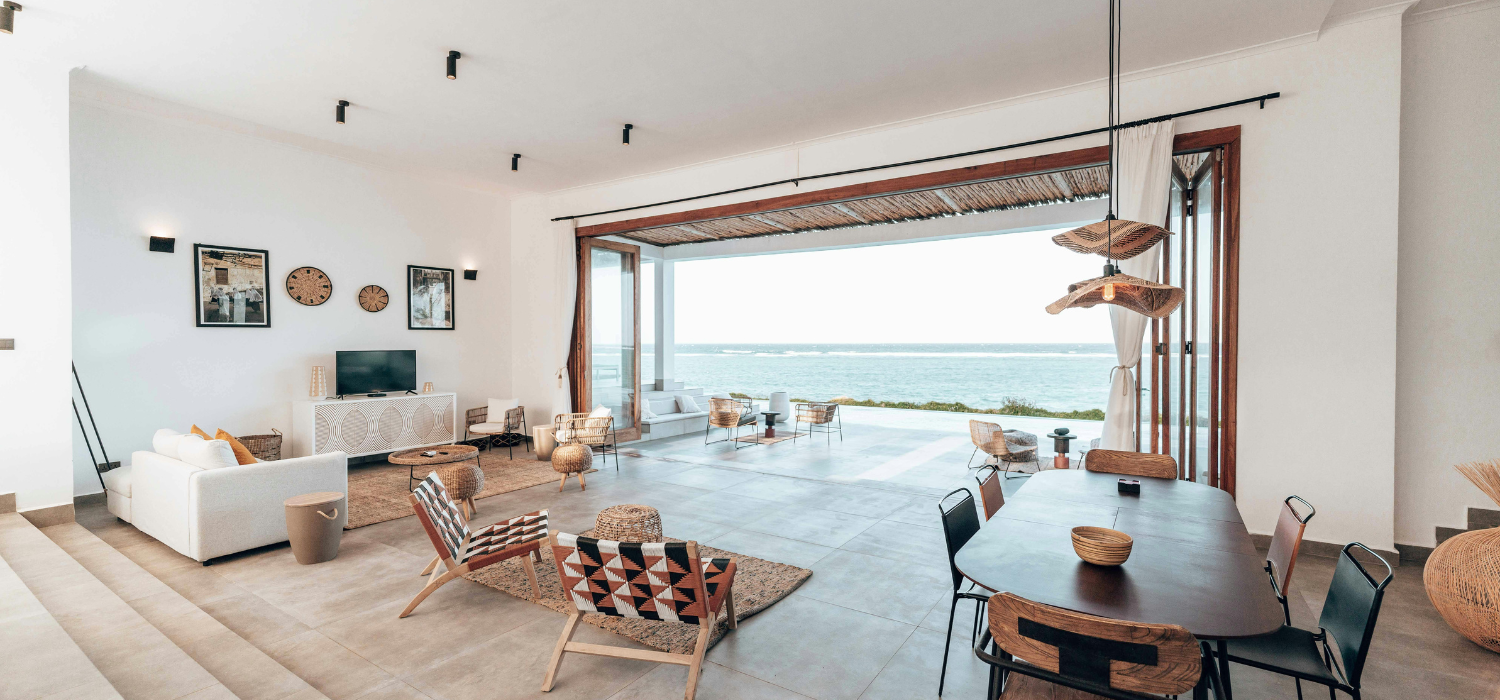
In today’s world, where space often comes at a premium, smart space utilization is essential for creating a functional and comfortable home. Whether you live in a small apartment or a large house, every square foot can be optimized to make your living area more practical and efficient. By embracing creative storage solutions, multi-functional furniture, and a minimalist mindset, you can maximize your space without sacrificing style or comfort.
No matter the size of your home, the key to smart space utilization is finding a balance between form and function. These strategies help you create an environment that feels open, organized, and effortlessly adaptable. By incorporating these ideas, you can transform even the most compact spaces into areas that reflect both your needs and personal style.
Maximizing your home’s space is an art that blends design with functionality. Whether you live in a cozy apartment or a spacious house, making the most out of every corner can transform your home into a more efficient, organized, and visually appealing space. Here are some extended and in-depth strategies for smart space utilization that can inspire your home transformation.
1. Multipurpose Furniture – An Ideal Companion for Small Areas!
One of the best ways to utilize space efficiently is with multifunctional furniture, which offers versatility without sacrificing design. There are countless options available:
- Sofa Beds that easily convert your living room into a guest bedroom.
- Fold-out Desks for a work-from-home setup that can disappear when not needed.
- Storage Coffee Tables & Ottomans that hide extra blankets, magazines, or remote controls.
For families with children, consider modular furniture, such as stackable chairs, tables, or beds with built-in drawers that evolve with your needs. This flexibility not only saves space but also enhances the functionality of your home, making it easier to adapt to different activities throughout the day. Multipurpose furniture isn’t just about saving space—it’s about enhancing the way you live, creating an environment that effortlessly adapts to each day’s needs.
2. Vertical Storage Solutions – Utilize Your Wall Space!
Vertical space becomes your best friend when floor space is limited. Wall-mounted solutions save important floor space while maintaining organization. Consider:
- Floating Shelves to hold cookware, books, or décor.
- Hanging Pot and Pan Racks in the kitchen or garage.
- Floating Cabinets that add additional storage to bathrooms without taking up floor space.
- High-Mounted Rods to maximize hanging space in closets or laundry rooms.
Additionally, install shelving above doorways, a space often overlooked. Store less-used items like holiday decorations or memorabilia—out of the way, yet accessible. When you start thinking vertically, you begin to see your home’s potential expand—your walls become more than just borders; they become a vital tool for organizing and maximizing your space.
3. Undiscovered Storage Areas – Covert Methods for Organizing!
Hidden storage is key to maintaining a sleek and clutter-free home. Here are some discreet storage solutions:
- Under-bed storage with pull-out drawers for linens, seasonal items, or shoes.
- Kitchen islands with built-in cabinets to store appliances and cookware.
- Banquette seating in dining areas with lift-up storage beneath.
- Staircase drawers or shelves, using the empty space under stairs for extra storage.
These hidden solutions let you enjoy a minimalist aesthetic while keeping everything organized. The art of hidden storage is in how it lets you enjoy a clutter-free space while also giving you access to what you need, when you need it—without compromising your style.
4. Convertible Spaces – Modular Areas for Any Requirement!
Modern homes need rooms that adapt to changing needs. Flexible furniture and creative design allow rooms to serve multiple purposes:
- Murphy Beds that fold into the wall to create an office or home gym during the day.
- Drop-down tables that transform dining rooms into offices, art studios, or play areas.
- Sliding Doors or Partitions that temporarily divide large rooms into distinct zones.
These adaptable spaces make small homes feel more versatile and functional without compromising on comfort. Convertible spaces empower you to live your life with freedom—where one room can serve many purposes, allowing your home to work as dynamically as you do.
5. Smart Technology Integration – Automating for Efficiency!
Smart home technology is a practical solution for maximizing space:
- Smart Lighting systems controlled by apps or voice commands that eliminate bulky lamps or switches.
- Smart Thermostats to maintain home temperature without traditional wall units or extra controls.
- Integrated Entertainment Systems that hide cables and electronics, keeping your living room neat.
- Smart Storage Solutions that help you track pantry or closet items, reducing clutter and ensuring everything has a place.
By incorporating these smart solutions, you create a more efficient and streamlined environment. Smart technology isn’t just about convenience—it’s about giving you more control over your space, making sure every inch serves its best purpose without overwhelming your surroundings.
6. Mirrors and Lighting – The Illusion of Space!
Strategic use of mirrors and lighting can make small spaces feel bigger and more welcoming:
- Mirrored Walls in small hallways or living rooms reflect light, creating depth.
- Oversized Mirrors in bedrooms or dining rooms expand the visual perception of space.
- Mirror-backed Shelving that adds storage without visually overcrowding the room.
Lighting also plays a significant role in opening up spaces:
- Maximize natural light with light, airy window treatments.
- Layer your lighting using ambient, task, and accent lighting to brighten every corner.
- Use uplights or track lighting to draw the eye upward, making ceilings appear higher and rooms feel more expansive.
The right lighting and mirrors don’t just amplify your space—they change the way you feel in that space, creating a sense of openness and serenity.
7. Minimalist Design – Less is More!
A minimalist approach focuses on simplicity, which can help make your space feel open and less cluttered. To achieve this:
- Declutter regularly, keeping only essential items.
- Invest in multi-functional furniture that serves multiple purposes.
- Use a neutral color palette with pops of color to keep spaces feeling light and airy.
- Embrace open shelving with curated, minimal items to avoid overcrowding the space visually.
Minimalism helps you live intentionally, creating a more streamlined and efficient home. When less truly becomes more, you unlock the ability to curate a space that is both purposeful and peaceful—a home that reflects what’s essential to you.
Frequently Asked Questions (FAQs):
1. How can I make the most of space in a small apartment?
To make the most of a small apartment, try using furniture that can do more than one job, like a sofa bed or a desk that folds up when you’re not using it. Use wall-mounted shelves and hooks to keep things off the floor. Smart home tech, like voice-controlled lights, can help save space by getting rid of bulky gadgets. Also, keep things simple by using a few key pieces of furniture and decluttering often to make your space feel bigger.
2. What are some low-cost ways to add more storage in my home?
You don’t need to spend a lot of money to create extra storage. Try using under-bed storage, or look for furniture with hidden storage like coffee tables with space inside. You can add shelves above doors or use the backs of doors for hooks to hang things. DIY ideas, like putting up floating shelves or repurposing old furniture, are also affordable ways to add storage.
3. How can I make my home feel bigger without remodeling?
Making your home feel bigger doesn’t require big changes. Use mirrors to reflect light and make rooms look deeper. Brighten up rooms with good lighting and try to keep your space tidy and simple. Stick to light colors and avoid clutter to make rooms feel more open. Small changes like this can have a big impact!
4. Can I turn a small room into a space for different uses?
Yes, small rooms can be used for more than one purpose. For example, a Murphy bed can turn a bedroom into an office during the day, or a fold-down desk can turn a living room into a workspace. You can also use sliding doors or room dividers to separate the space when needed. Look for furniture that can be used for different things, like a dining table that can also be used for work.
5. Is smart home technology worth it for saving space?
Yes! Smart home technology can really help save space. Things like smart lights and thermostats remove the need for big, bulky devices. You can also use smart systems to hide cables and electronics, so your living room stays neat. Plus, smart storage can help you keep track of what you have, so you don’t overstock or lose things.
Conclusion:
Maximizing your home’s potential comes down to smart space utilization, which involves clever design, multi-functional furniture, and creative storage solutions. Whether you’re looking to optimize a small apartment or rethink your spacious home’s layout, these innovative strategies will help you create a space that feels larger, more organized, and tailored to your lifestyle.
Smart space utilization is more than just a trend—it’s a sustainable, long-term approach to living well and making the most of your available space in any environment. Ready to transform your home into a functional haven? Implement these ideas, stay creative, and watch how every corner of your space comes to life with purpose and style! The beauty of maximizing your space lies in how it frees you to focus on the things that matter most—creating a home that is not only efficient but also rich with meaning.


