
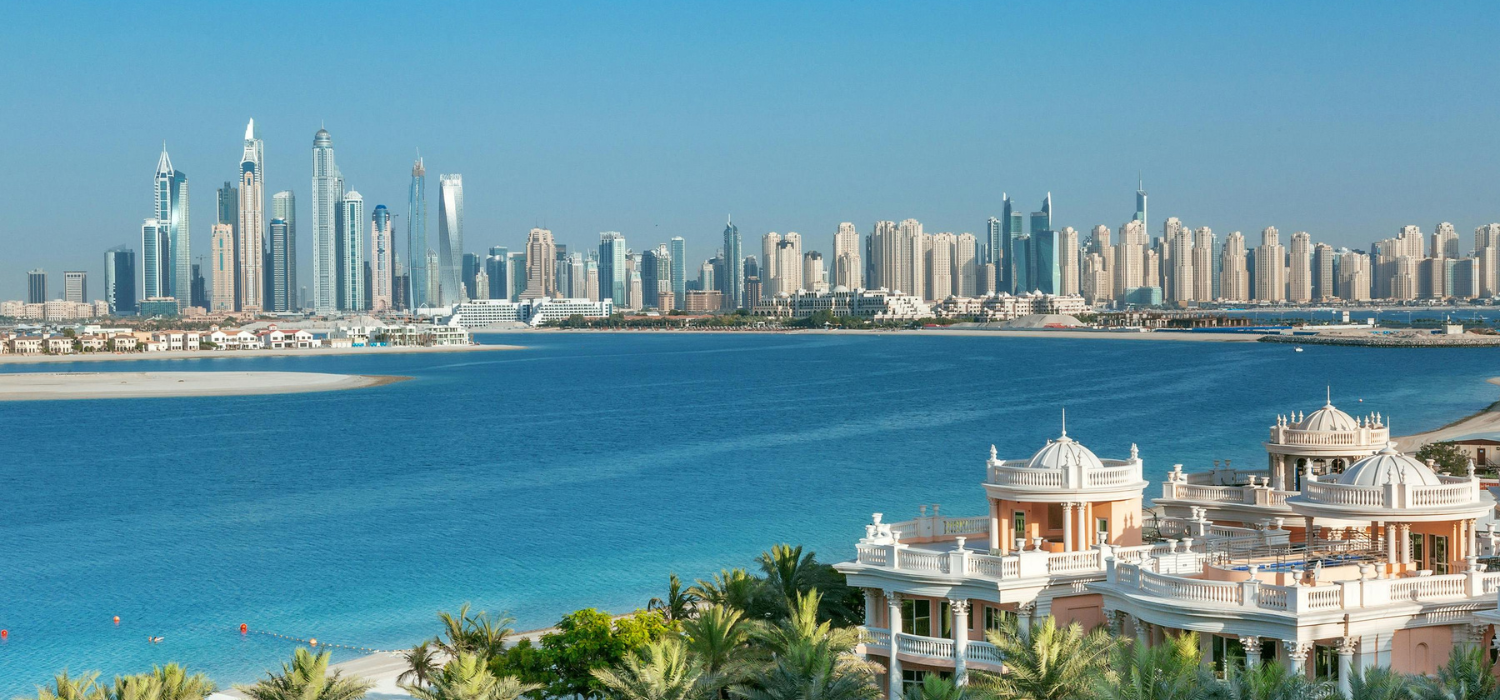
Dubai, renowned for its iconic skyline, luxurious lifestyle, and business-friendly environment, has long been a magnet for real estate investors. As global markets evolve and new opportunities emerge, potential investors often ask: Is it good to invest in real estate in Dubai now? To answer this question, we must explore Dubai’s current real estate market, economic indicators, investment advantages, and potential risks.
Overview Of Dubai’s Real Estate Market – Full Overview & Insight!
In recent times, Dubai’s real estate market has historically experienced cycles of rapid growth, corrections, and stabilization. Recent years have seen a resurgence in property values driven by economic recovery, population growth, and increased demand for luxury and affordable housing. Key factors influencing the market include:
- Expo 2020 Legacy: The success of Expo 2020 continues to attract global businesses and residents, boosting demand for both commercial and residential properties.
- Post-Pandemic Recovery: Dubai’s efficient handling of the COVID-19 pandemic and its swift economic reopening have enhanced investor confidence.
- Regulatory Reforms: The introduction of investor-friendly laws, such as long-term visas and 100% foreign ownership for businesses, has made Dubai more attractive to international investors.
Why Invest In Dubai Real Estate Now?
1. High Return on Investment (ROI)
Dubai offers some of the highest rental yields globally, ranging from 5% to 10%, significantly higher than other major cities like New York or London. Properties in sought-after areas, such as Downtown Dubai and Dubai Marina, consistently deliver strong returns.
2. Tax-Free Environment
The absence of property taxes and capital gains taxes is a significant advantage for investors. This tax-free environment enhances profitability and long-term value appreciation.
3. Growing Population and Demand
Dubai’s population is projected to grow steadily, fueled by an influx of expatriates and professionals. This demographic trend supports sustained demand for residential properties across various price ranges.
4. Affordable Prices Compared to Global Cities
Despite its reputation for luxury, Dubai’s real estate market offers relatively affordable property prices compared to cities like Hong Kong, London, or Paris. This affordability, coupled with high-quality construction and amenities, adds to its investment appeal.
5. Infrastructure and Urban Development
Dubai continues to invest heavily in infrastructure, including world-class transportation systems, smart city initiatives, and eco-friendly developments. These enhancements not only improve the quality of life but also increase property values.
Types Of Properties And Investment Strategies – Maximize Your Returns!
Dubai’s real estate market offers a wide variety of property types and investment strategies, each with its own risk/reward profile. Below are some avenues to consider:
Residential Properties:
- Luxury Apartments/Villas: Located in prime areas like Palm Jumeirah, Emirates Hills, and Downtown Dubai, these properties often attract high-net-worth individuals and command premium rents.
- Mid-Range Homes: Areas such as Jumeirah Village Circle (JVC), Dubai Sports City, and Dubai Silicon Oasis offer more affordable options with respectable rental yields.
- Budget-Friendly Housing: Growing demand from expatriates and young families has spurred development in suburbs like Dubai South and International City, where property prices are lower but demand can be strong.
Commercial Properties:
- Office Spaces: With Dubai’s status as a regional business hub, well-located office spaces can offer stable rental yields, particularly in business districts like Business Bay and DIFC (Dubai International Financial Centre).
- Retail Outlets: Investing in commercial retail units can be lucrative in high-footfall areas, though location is critical to success in this segment.
Holiday Homes/Short-Term Rentals
Platforms like Airbnb have bolstered the short-term rental market. With Dubai being a top global tourist destination, short-term rentals can generate higher monthly returns than traditional long-term leases—albeit with increased management and maintenance responsibilities.
Off-Plan Properties:
Properties are purchased before construction completion, often at lower prices. This strategy offers potential for capital appreciation but carries risks like project delays.
- Advantages: Often priced lower than ready units, with flexible payment plans offered by developers. Potential for capital appreciation upon completion.
- Risks: Project delays, changes in market conditions during construction, and reliance on developer reputation.
Is It Safe To Invest In Dubai Real Estate?
Yes, investing in Dubai real estate is safe because the government has strong rules to protect buyers. Foreigners can own properties in certain areas, and Dubai is known for being safe and having a strong economy. The city also has many tourists, which makes it a good place to rent out properties. To stay safe, choose trusted developers, understand all costs like fees and maintenance, and work with licensed brokers and advisors to avoid problems.
Challenges And Risks To Consider – Know Before Investing!
While the prospects are promising, investors should be aware of potential risks:
- Market Volatility: Dubai’s real estate market has experienced periods of price corrections, and future fluctuations remain a possibility.
- Oversupply Concerns: Despite rising demand, an oversupply of properties in certain segments could impact rental yields and price appreciation.
- Regulatory and Legal Factors: Although reforms have improved transparency, investors must conduct due diligence to understand local property laws and regulations.
- Economic Dependencies: Dubai’s economy is heavily influenced by global economic trends, including oil prices and geopolitical developments.
Insider Tips for Prospective Investors – How to Make Smarter Choices!
- Choose the Right Location: Prime areas like Palm Jumeirah, Business Bay, and Dubai Hills Estate often deliver better returns and long-term appreciation.
- Work with Reputable Developers: Partnering with established developers reduces the risk of project delays or subpar quality.
- Understand Financing Options: Many banks in Dubai offer attractive mortgage rates to non-residents. Compare options to find the best terms.
- Diversify Your Portfolio: Consider investing in different types of properties (residential, commercial, or holiday homes) to mitigate risks.
- Stay Updated: Keep an eye on market trends, economic indicators, and upcoming regulations to make informed decisions.
Balancing Opportunities With Caution – Don’t Miss Out!
While Dubai’s real estate market offers compelling opportunities, caution and thorough research remain essential. It’s advisable to work with licensed real estate brokers and legal advisors who understand local regulations, contract terms, and best practices. Ensure you factor in all related costs, including:
- DLD (Dubai Land Department) Fees: Usually 4% of the property’s purchase price.
- Agency Commissions: Often around 2% of the purchase price.
- Maintenance/Service Charges: Ongoing fees for the upkeep of common areas and amenities, which vary depending on the property type and location.
- Mortgage and Bank Fees (if applicable): Can include valuation fees, arrangement fees, and early settlement charges.
Furthermore, if you plan on renting out your property, consider the management and marketing costs associated with finding and retaining reliable tenants. A well-managed property not only preserves its value but also ensures stable rental income.
Frequently Asked Questions:
1. How has Dubai’s visa reforms impacted real estate investments?
The introduction of long-term visas and the Golden Visa program has encouraged more expatriates and foreign investors to consider Dubai as a permanent base, boosting real estate demand.
2. What Role Does Dubai’s Strategic Location Play In Its Real Estate Appeal?
Dubai’s position as a global hub connecting Asia, Europe, and Africa makes it an attractive choice for businesses and expatriates, driving real estate demand.
3. How has cryptocurrency impacted Dubai’s real estate transactions?
Some developers and agents now accept cryptocurrency, catering to tech-savvy investors and adding a modern dimension to property dealings.
4. What is the role of property management companies in maximizing ROI?
Professional property management services help investors optimize rental yields, maintain properties, and handle tenant relations, ensuring hassle-free investments.
5. Are property prices going down in Dubai?
Dubai’s property prices are not going down overall. In fact, they have been stable and growing in many areas, especially in popular and luxury locations. Prices can change depending on the market and economy, but right now, the trend is mostly positive. It’s a good idea to check the latest updates or talk to a property expert before investing.
Conclusion:
Investing in Dubai real estate offers a unique blend of high returns, a tax-friendly environment, and opportunities for capital appreciation. With favorable economic conditions and growing demand, now may be an opportune time to enter the market. However, like any investment, it’s essential to assess risks, stay informed, and make decisions based on your financial goals and risk tolerance.
If you’re considering investing, consulting with local real estate experts and financial advisors can help you navigate the dynamic landscape and maximize your returns. With careful planning, Dubai’s vibrant real estate market could be a cornerstone of your investment portfolio.


